
Temperature Instruments
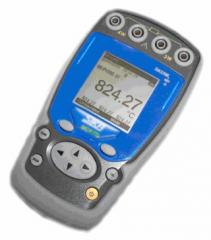
Temperature instruments are used to read sensor signals, check measurements, monitor processes or test measuring circuits. The appropriate instrument route depends on the sensor type, measuring range, number of channels, required accuracy and how the measurement must be displayed, recorded or transmitted.
TE Instrumentation supplies instruments and supporting solutions for industrial temperature measurement. Current configurations and availability are checked for each enquiry.
Instrument routes for temperature measurement
- Portable indication and checking: handheld indicators, calibrators and simulators for inspection, commissioning and maintenance.
- Panel and process instruments: indicators, controllers, recorders and transmitters for fixed measuring points and control systems.
- Calibration: instruments and dry-well routes for checking temperature sensors and measuring chains.
- Data logging: review Gemini Tinytag data loggers for longer-term recording of temperature and other environmental values.
- Non-contact measurement: review Keller pyrometer systems where contact measurement is not practical.
What information is needed?
- Thermocouple, Pt100 or other input type.
- Measuring range, required resolution and accuracy.
- Number of channels and simultaneous measuring points.
- Local indication, recording, alarms or control output.
- Power supply, communications, enclosure and operating environment.
- Calibration or documentation requirements.
For an existing instrument, send the complete model number, a photograph of the label and details of the connected sensor. We can review the measurement function and the appropriate current route.
Match the instrument to the measuring chain
An instrument cannot be selected from temperature range alone. Input linearisation, cold-junction compensation, lead configuration and any output to a control system must match the sensor and installation. For service or replacement work, documentation of the existing wiring and required process function helps prevent a technically incompatible substitution.

