
GEMS Flow Switches
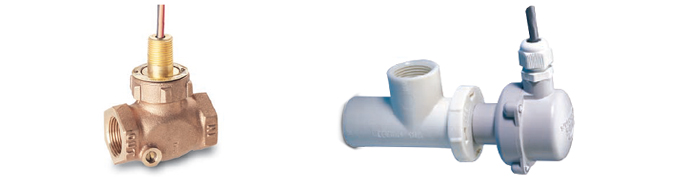
A flow switch confirms whether liquid or gas reaches a defined switching point. It can protect a pump, cooling circuit, lubrication system or machine when flow becomes too low or stops. TE Instrumentation supplies GEMS flow switches and provides technical selection support as the exclusive GEMS distributor in the Netherlands.
The correct configuration depends on the medium, minimum and normal flow, pipe size, process pressure, temperature, required switching function and allowable pressure drop. GEMS offers piston, shuttle, paddle and electronic designs, each suited to a different operating envelope.
A switch signal at a defined flow point.
Piston, shuttle, paddle and electronic.
By medium, range, pressure and connection.
Which GEMS flow-switch type fits your application?
Piston type for compact systems
Piston flow switches are often relevant to low-flow duties in compact pipework. GEMS identifies applications including lubrication systems, chillers, welding equipment and semiconductor equipment. Filtration, viscosity, mounting orientation and material compatibility must still be checked. The GEMS FS-4 Series is one example of this group.
Shuttle type for moderate and higher flow
A shuttle design may suit applications that need a wider flow range with limited pressure drop. Typical routes include fuel systems, compressors and industrial equipment. Selection should confirm the flow point, medium, process connection and electrical switch load.
Paddle type for larger pipe sizes
Paddle flow switches monitor flow in larger lines. The paddle length on the GEMS FS-550 is trimmed during installation to establish the required switching point. This family can be relevant to heat exchangers, boilers, turbines, pumps and chillers. View the official GEMS FS-550 information.
Electronic and thermal flow monitoring
An electronic flow switch does not need a mechanical piston or paddle. The GEMS FS-600 uses thermal dispersion and has no moving parts. GEMS positions the series for several liquids, including media with particles or slurry, although suitability for media other than water must be confirmed. View the GEMS FS-600 Series.
Flow-switch selection criteria
- Medium, concentration, viscosity and possible contamination.
- Minimum, normal and maximum flow and the required switching point.
- Pipe diameter, process connection and available installation space.
- Process pressure, temperature and allowable pressure drop.
- Normally open or normally closed operation and electrical load.
- Material compatibility, filtration and environmental or approval requirements.
Flow switch or flow sensor?
A flow switch provides a discrete output when a limit is reached. A flow sensor or flow meter normally provides a continuous measurement signal. If the actual flow must be monitored or controlled, explore our GEMS flow sensors. A flow switch may be the simpler route for an alarm, permissive or protection function.
Also explore the GEMS product overview, GEMS pressure switches and solutions for data-centre liquid cooling.
Select a GEMS flow switch
Send the medium, flow range, pipe size, pressure, temperature and required switching function. We will assess which configuration may fit.
Frequently asked questions
Can a GEMS flow switch monitor liquids and gases?
That depends on the product series and configuration. The medium, density, viscosity, pressure, temperature and switching point must be checked for the selected design.
What do normally open and normally closed mean?
They describe the electrical contact state under the defined rest condition. The specification should also state whether switching must occur as flow rises or falls.
What information is needed to replace a flow switch?
Send the existing GEMS part number, photographs of the connection and label, and the medium, flow point, pressure, temperature and electrical data. We will review the current configuration and a technically appropriate alternative.

